Breaking Barriers, Building Peace
This brief analyzes the significant structural, cultural, and institutional barriers preventing women's full participation in Nigeria's peace and security sector. It finds that including women significantly increases the success rate of peace agreements and offers evidence-based recommendations, such as mandatory quotas and sustainable funding, to improve national security outcomes.
Conference Insight: September 2025
Breaking Barriers, Building Peace
Amplifying Women's Voices in Nigeria's Security Sector Reform
Executive Summary
A Critical Imperative for National Security
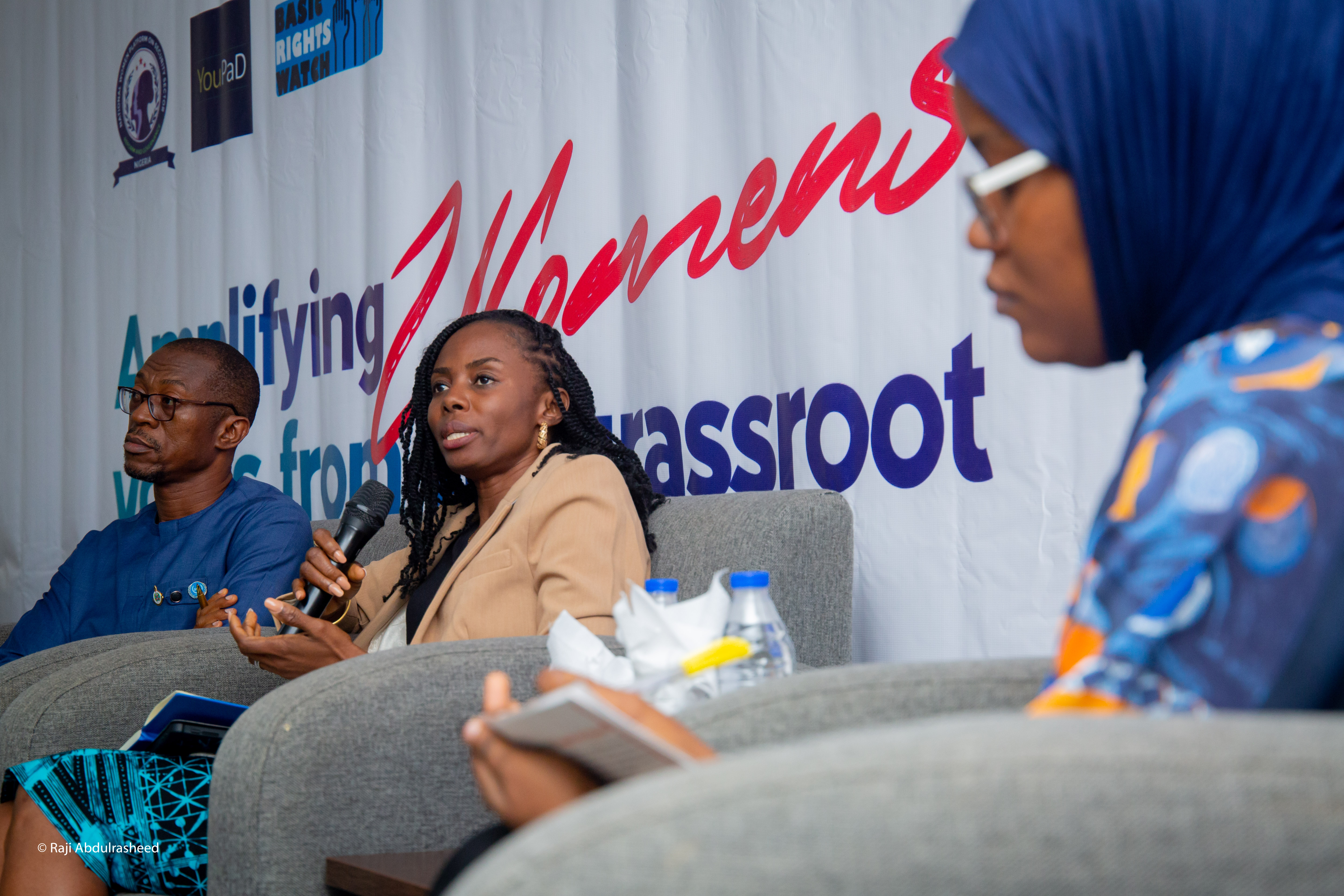
This policy brief examines the critical role of women in peacebuilding and security sector reform in Nigeria, drawing on insights from the "She Speaks Peace" conference.
"Despite women's proven effectiveness in conflict resolution, significant obstacles persist—including economic marginalization, cultural norms, and institutional resistance."
35%
Increase in long-term sustainability when women influence peace agreements.
20%
Higher success rate for at least two years of lasting peace.
2.5M
Nigerians facing acute food needs by mid-2025.
<60%
School attendance rates in conflict-affected areas.
The Challenge
Why should we prioritize women's inclusion? In Nigeria, where conflicts have displaced millions, traditional approaches to peace and security have consistently failed to achieve sustainable results. Even when policies are gender-sensitive, impact falters due to poor coordination between national and local levels.
Structural Analysis: Persistent Barriers
The "She Speaks Peace" study identified three primary categories of hurdles preventing meaningful engagement in Nigeria's security landscape.
Structural Barriers
Economic constraints, limited access to education, and mobility restrictions disproportionately affecting rural women.
Cultural Barriers
Deeply entrenched patriarchal norms that relegate women to private spheres and limit community-level advocacy.
Institutional Barriers
Bureaucratic hurdles and resistance within traditional security structures despite existing policy frameworks.
Uncovering Opportunities
Despite these challenges, our research uncovered promising opportunities for progress. Local government systems revitalized by recent Supreme Court judgments present new avenues for participation in governance and peacebuilding initiatives.
Policy-Practice Gap
While the 2021 National Gender Policy shows commitment, practical application remains inconsistent across states.
Economic Marginalization
Women in the Northeast often choose between basic survival needs and advocacy participation.
A key opportunity lies in Scaling Traditional Models, such as Southeastern Nigeria's Umu-ada women's cultural and social welfare organizations.
Strategic Framework: Evidence-Based Recommendations
Implementing these targeted measures can transform current systemic inequalities into opportunities for meaningful national security enhancement.
The Status Quo Risk
Continued cycles of violence and wasted resources on ineffective, exclusionary solutions.
Mandatory Quotas
Establish 50% representation for women in all peace negotiation teams, ensuring grassroots perspectives are heard.
Decentralized Digital Platforms
Document and share grassroots peacebuilding experiences, leveraging technology to amplify voices like the Umu-ada structures.
Sustainable Funding
Diversify funding through local philanthropy and corporate social responsibility to reduce reliance on international donors.
Peace Education Curricula
Integrate conflict resolution and gender equality into national school systems starting at the primary level.
Intergenerational Dialogue
Create structured mentorship pathways connecting experienced leaders with emerging grassroots activists.
Pathways to Transformation
The evidence presented throughout this brief leads to a definitive conclusion: merely creating gender-sensitive frameworks is insufficient without robust mechanisms for accountability and monitoring. Economic empowerment is not just a social goal—it is a fundamental prerequisite for participation.
The research findings debunk the myth that resistance to women's inclusion stems primarily from male opposition. Instead, institutional inertia and a lack of awareness about successful hybrid models—combining formal and informal mechanisms—pose the greatest challenges.
"Peacebuilding success correlates directly with the degree of women's meaningful involvement, measured not just by numbers but by the quality and influence of their contributions."