Skip to content
Skip to content
Policy Brief

The Critical Role of Grassroots Women in Nigerian Peace and Security

This report analyzes the severe humanitarian impact of widespread conflict on women and girls in Nigeria, citing statistics on food insecurity, displacement, and education. It argues for the essential inclusion of women in peace processes, highlighting their contributions through grassroots networks which enhance local intelligence and make peace agreements more sustainable.

Read Report
01/05

29

Reports Published

36

States Monitored

15k+

Data Points

8

Active Partners

Latest Intelligence

Recent Environmental Assessments

Curated data reports and policy briefs on environmental conditions across Nigeria.

Environmental Justice

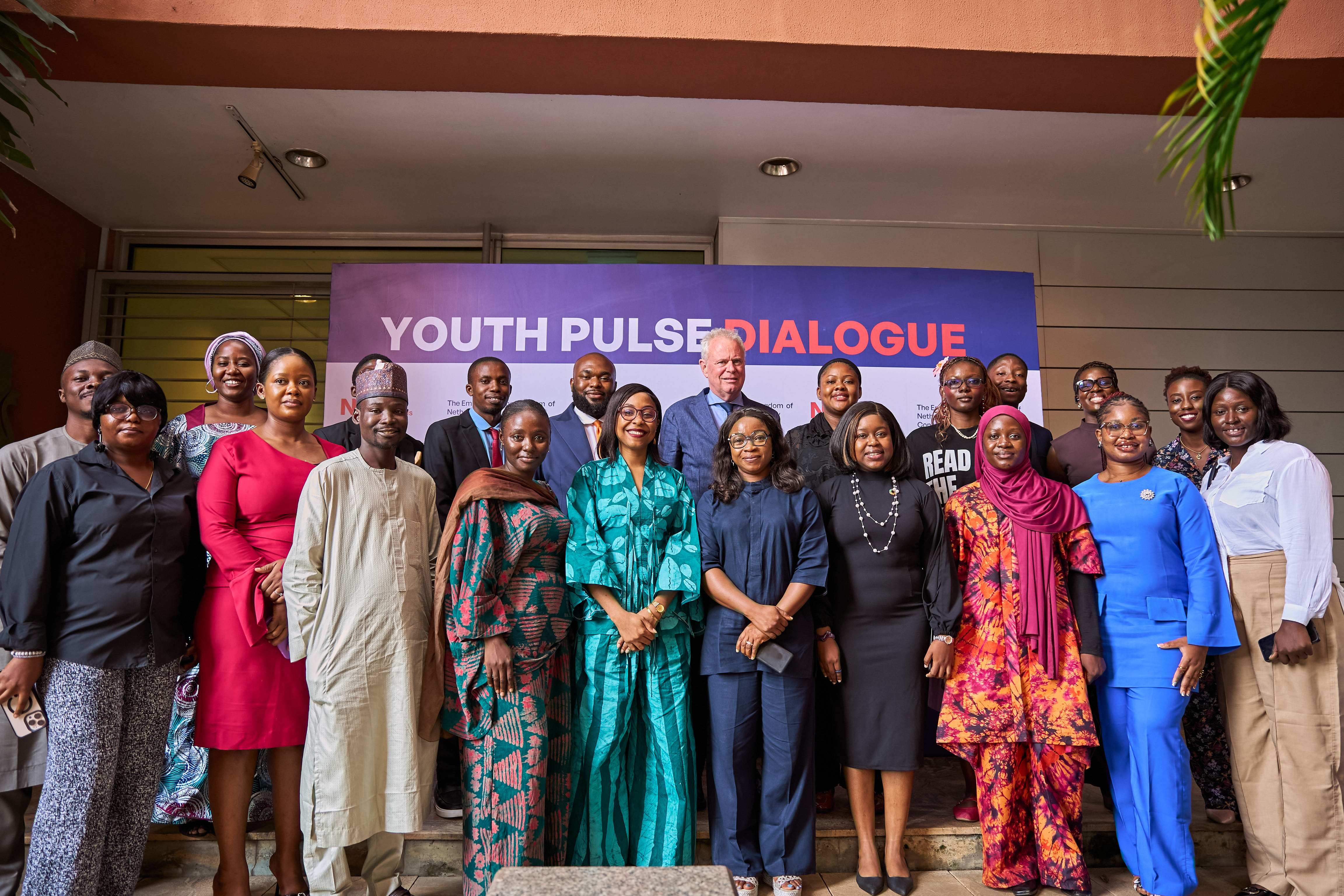
Youth Pulse Dialogue: Nigerian Youth Priorities & Policy Engagement

On 12 August 2026, the Netherlands Embassy hosted a panel discussion at EU House, Abuja, featuring YouPaD delegates Lois Felix Bishio and Sophie Chika. The event disseminated Youth Pulse Survey findings showing 73% of Nigerian youth consider migration (Japa), yet 85.5% are retainable through improved domestic opportunities. Key priority areas include migration/brain drain, youth safety, food insecurity, employment barriers, and the consultation-to-implementation gap in governance.
Policy Brief

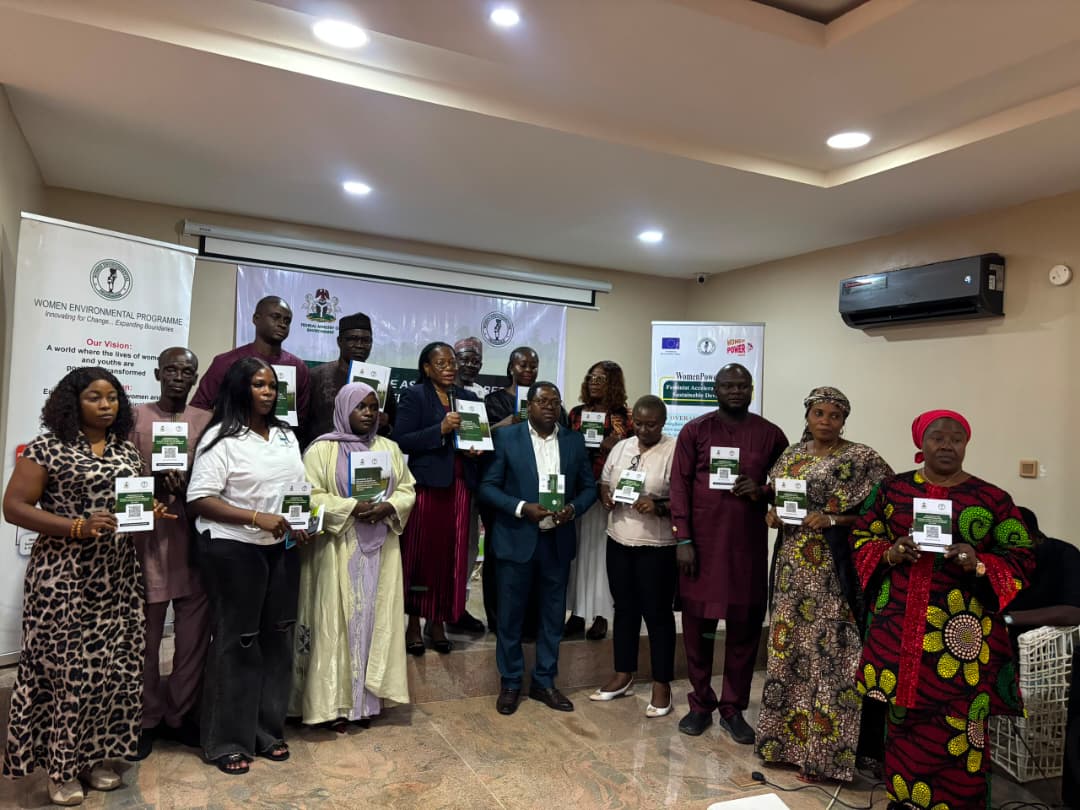
Nigeria NAPGCC 2.0 Assessment: Gender-Climate Policy Gap Analysis & Strategic Roadmap

The 2021–2025 NAPGCC implementation cycle suffered from systemic institutional bottlenecks: low stakeholder awareness, absent dedicated budget lines, no federal coordination secretariat, and severe data deficits in sex-disaggregated monitoring. NAPGCC 2.0 (2027–2031) addresses these gaps through three new priority sectors (Education, Technology, Humanitarian Affairs), a National Gender & Climate Data Observatory, mandated climate financing lines, and sub-national implementation windows across six geo-political zones.

Policy Brief

Earth Day 2026 Report: Circular Economy & Youth-Led Plastic Waste Solutions in Nigeria

The Earth Day 2026 convening, themed 'Our Power, Our Planet: Turning Plastic into Possibilities,' highlighted circular economy opportunities in Nigeria and Sub-Saharan Africa, with a focus on youth entrepreneurship in plastic recycling. Key findings include the recovery of 300,000+ kg of PET plastic by CycleX Africa, a projected $350 billion circular economy opportunity by 2030, and policy advocacy around the NESREA 2024 Plastic Waste Management Act. Panel discussions emphasized mindset shifts from waste as pollution to waste as economic opportunity, practical entry points for youth, required health and safety measures, and major entrepreneurial challenges including limited finance access and unstable policy environments.

Policy Brief

An Analysis of Emerging Threats to Nigeria's Civic Space

Nigeria's civic space is facing increasing pressure from sophisticated legal, digital, and bureaucratic restrictions that undermine constitutional rights. These evolving tactics, which include the securitization of dissent and targeting of accountability agents, are eroding democratic accountability and fostering a climate of self-censorship. The brief outlines these threats and provides a strategic roadmap for democratic actors to defend civic freedoms.

Climate Security

Climate Change as a Security Threat in the Niger Delta

In the Niger Delta, climate change is a threat multiplier, escalating environmental degradation from decades of oil extraction into a primary driver of regional insecurity. This brief finds that the crisis is fueling local conflicts and widening inequalities. It advocates for an immediate policy shift towards a rights-based climate security agenda, institutional accountability, and a framework for reparative justice to mitigate instability.

Environmental Justice

Climate Change, Conflict, and Environmental Degradation in the Niger Delta

The Niger Delta is facing irreversible ecological collapse from decades of intensive oil exploitation compounded by climate change threats, leading to severe human rights violations. This report analyzes the systemic environmental destruction, contrasting ineffective corporate 'net-zero' policies with actionable, community-led solutions focused on remediation, resource stewardship, and local sovereignty. It presents a policy agenda advocating for an immediate halt to gas flaring, corporate-financed cleanup, and the decentralization of environmental governance.

Stay Informed on Climate Justice

Get weekly summaries of the latest environmental data and policy shifts in Nigeria delivered straight to your inbox.

We respect your privacy. Unsubscribe at any time.