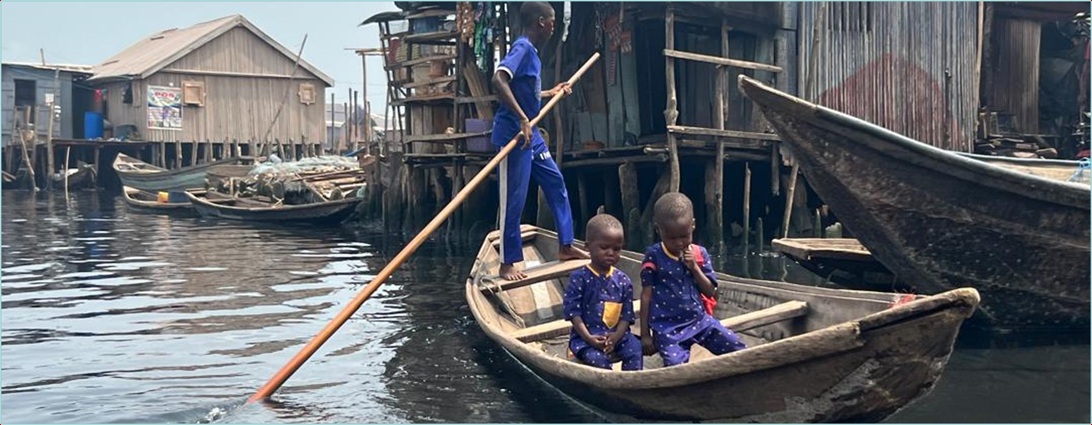
Climate Change, Conflict, and Environmental Degradation in the Niger Delta
The Niger Delta is facing irreversible ecological collapse from decades of intensive oil exploitation compounded by climate change threats, leading to severe human rights violations. This report analyzes the systemic environmental destruction, contrasting ineffective corporate 'net-zero' policies with actionable, community-led solutions focused on remediation, resource stewardship, and local sovereignty. It presents a policy agenda advocating for an immediate halt to gas flaring, corporate-financed cleanup, and the decentralization of environmental governance.
The Niger Delta at the Crossroads:
Climate, Conflict & Survival
A comprehensive, rights-based evaluation of systemic environmental destruction, addressing the urgent choice between cosmetic carbon actions and real local sovereignty.
Executive Summary
The Niger Delta stands on the edge of irreversible ecological ruin. Decades of intensive oil exploitation compounded by systemic climate change threats have degraded vital natural systems, compromising basic civil liberties.
This brief synthesizes insights from the landmark document "Climate, Conflict & Survival 01.07.26 2.pptx" to build an alternative, community-first pathway. True stability is founded on environmental recovery and direct local resources stewardship, rather than expanded military deployment.
Key Imperatives Described in this Brief:
Halt Expansion
Immediately stop damaging gas flaring and prohibit any new oil wells.
Fund Remediation
Enforce systematic corporate-financed cleanup of regional soils and rivers.
Protect Advocates
Shield local human rights and environmental defenders from state-corporate reprisal.
Empower Communes
Mandate representative local assemblies within transition models.
The Threat Landscape & Rights at Risk
Extreme climate shifts combined with extensive land and water pollution create severe systemic threats to basic human rights across the region.
Fundamental Rights Under Threat
Environmental degradation in the Delta directly violates standard civil liberties guaranteed by regional charters and international conventions.
Life & Health
Continuous toxic chemical exposures destroy health and survival security.
Right to Food
Acidic rains and oily deposits kill local fisheries and native farmlands.
Clean Water
Industrial toxic seepage pollutes freshwater rivers and underground wells.
Self-Determination
Degradation takes away community control over traditional land use.
Compounding Climate Hazards
Global environmental changes accelerate risks, leaving isolated and polluted settlements exposed to climate disasters.
-
Sea Level Rise & Erosion
Shorelines are disappearing, washing away coastal villages and ancestral burial grounds.
-
Prolonged Heat Waves & Droughts
Persistent extreme heat weakens human productivity and accelerates ecosystem collapse.
-
Flash Flooding & Extreme Storms
Unpredictable rain cycles damage buildings, farm yields, and displace millions of people.
Disaster Equation Model
Disaster risk is calculated as a sum of external hazards and internal vulnerabilities. Reducing local vulnerability directly decreases overall disaster impact, even when hazards remain high.
Hazard Level
50%
Exogenous Climate Stress
Vulnerability
70%
Lack of Adaptation & Support
Calculated Disaster Risk
120
Severe Risk
A Choice of Two Paths
We must choose between top-down, cosmetic environmental corporate adjustments and real, community-led systems of sovereignty.
False Pathways: The Net-Zero Illusion
Top-down policies often treat offset mechanisms as actual emissions reductions. These frameworks let companies keep polluting local ecosystems if they pay offset fees elsewhere.
- ✗Carbon Offsets: Buying forest protection globally while toxic soot continues polluting Delta communities locally.
- ✗Corporate Greenwashing: Promoting "Net-Zero" commitments on paper while localized environment degradation rises.
- ✗Military Stabilization: Relying on armed security or JTF deployments, which fail to restore drinking water or basic rights.
Real Pathways: Community-Led Sovereignty
True solutions require immediate local remediation and transition frameworks designed around community ownership, food security, and environmental care.
- ✓Leaving Oil in the Soil: Banning new exploration sites to keep fossil reserves locked underground.
- ✓Ecological Remediation: Forcing historical polluters to finance systematic soil and water cleanup.
- ✓Sovereign Local Decision-making: Letting native community councils determine energy and water use.
A Rights-Based Climate Security Agenda
We must implement systemic reforms that align national environmental policy with international human rights standards.
| Strategic Objective | Direct Policy Interventions | Impact & Target |
|---|---|---|
|
1.Accelerate Emissions Cuts
|
Enforce an immediate, unconditional ban on toxic gas flaring and halt the expansion of new extraction zones. | Immediate reduction in air soot; aligns with original climate safety goals. |
|
2.Finance Local Remediation
|
Establish state-mandated, polluter-financed funds dedicated entirely to clearing chemical contaminants. | Restoration of local farm fields, rivers, and mangrove marshes. |
|
3.Protect Activists
|
Build dedicated legal protection and monitoring systems for frontline human rights and environmental defenders. | Protection for active environmental watchdogs and advocates. |
|
4.Decentralize Governance
|
Codify community-representative veto rights within transition planning structures. | Ensures direct native oversight of regional natural resources. |
Voices of Courage & Clarity
Fundamental truths from leaders who shaped the struggle for ecological and social justice.
"The environment is man’s first right. Without a safe environment, man cannot exist to claim any other rights."
"We must choose either champagne for a few or safe drinking water for all."
"Climate security is not secured by more guns or higher walls. It is secured when communities have clean air, living soils, safe waters, and the power to shape their future."
© 2026 Climate Justice Initiative. Prepared from presentations by Nnimmo Bassey. Protected Under Article 24 of the African Charter on Human & Peoples' Rights.
Source: Climate, Conflict & Survival 01.07.26 2.pptx