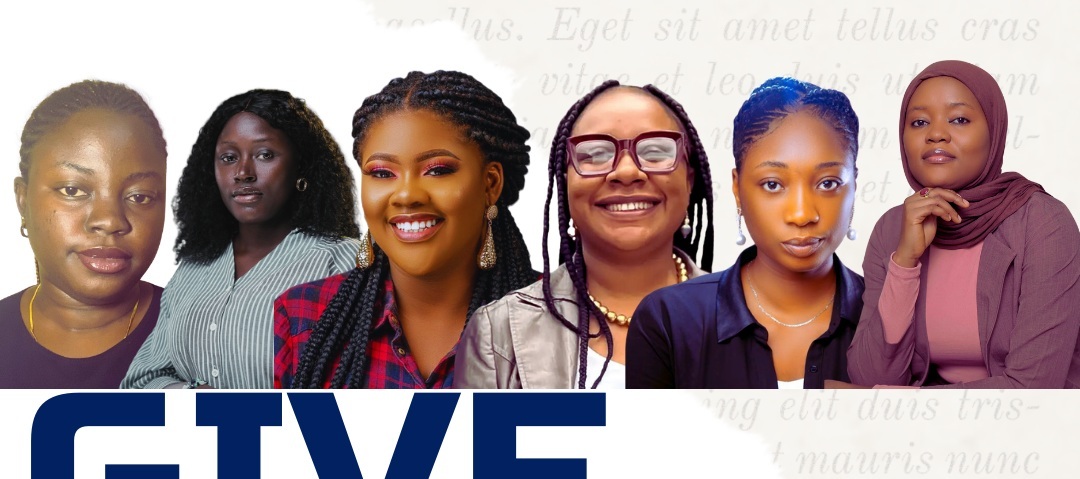
Climate Injustice: The Vulnerability of Women with Disabilities in Nigeria
Climate change events in Nigeria, such as catastrophic floods and food insecurity, are disproportionately impacting women with disabilities due to systemic failures like inaccessible emergency systems and economic exclusion. Despite being at significantly higher risk, these women are developing grassroots solutions but remain critically underrepresented in national climate policy and disaster management planning.
Beyond the Margins
Why Nigeria’s Climate Action Needs Women with Disabilities
"Young women with disabilities in Nigeria are navigating the frontlines of a climate crisis equipped with emergency systems that were never designed for them."
15%
Of Nigerians
Live with a disability (>30M people). Half of them are women.
1.4M+
Displaced
By the catastrophic 2022 floods alone, lacking accessible shelters.
14x
Higher Risk
Women & children are 14x more likely to die in disasters than men.
40%
Food Inflation
Pushing marginalized disabled women into extreme poverty.
The Compounded Crises
Floods & Displacement
For women with visual, hearing, or physical disabilities, displacement is exponentially more dangerous. Early warning systems are often solely auditory or visual, and evacuation shelters consistently lack accessibility features, causing mortality and injury rates to skyrocket.
Crushing Food Insecurity
As climate change disrupts agriculture, food prices surge. Young women with disabilities already face drastic economic exclusion. They are disproportionately pushed into extreme poverty, forced to choose between healthcare, assistive devices, and daily sustenance.
Inaccessible Emergencies
Systemic gaps are lethal. Without sign language interpreters in emergency broadcasts, physically accessible camps, or disability-disaggregated data, these women are left practically invisible to disaster management agencies.
Not Waiting to Be Invited
The narrative that women with disabilities are merely helpless victims is entirely false. They are organizing, advocating, and building solutions.
Peer-to-Peer Networks
Creating grassroots early warning systems in rural communities where traditional systems fail.
Inclusive Relief Advocacy
Leveraging deep community knowledge to demand and design inclusive relief distribution models.
The Missing Voices in Climate Policy
Representation in environmental leadership remains close to zero. We cannot build resilient communities while actively ignoring the insights of the people most vulnerable to climate shocks.
Women with disabilities belong in the spaces where climate decisions are made.
Not as an afterthought. Not later. BUT NOW.
#VoicesForInclusion
Data & Insights via Voices for Inclusion • International Women's Day