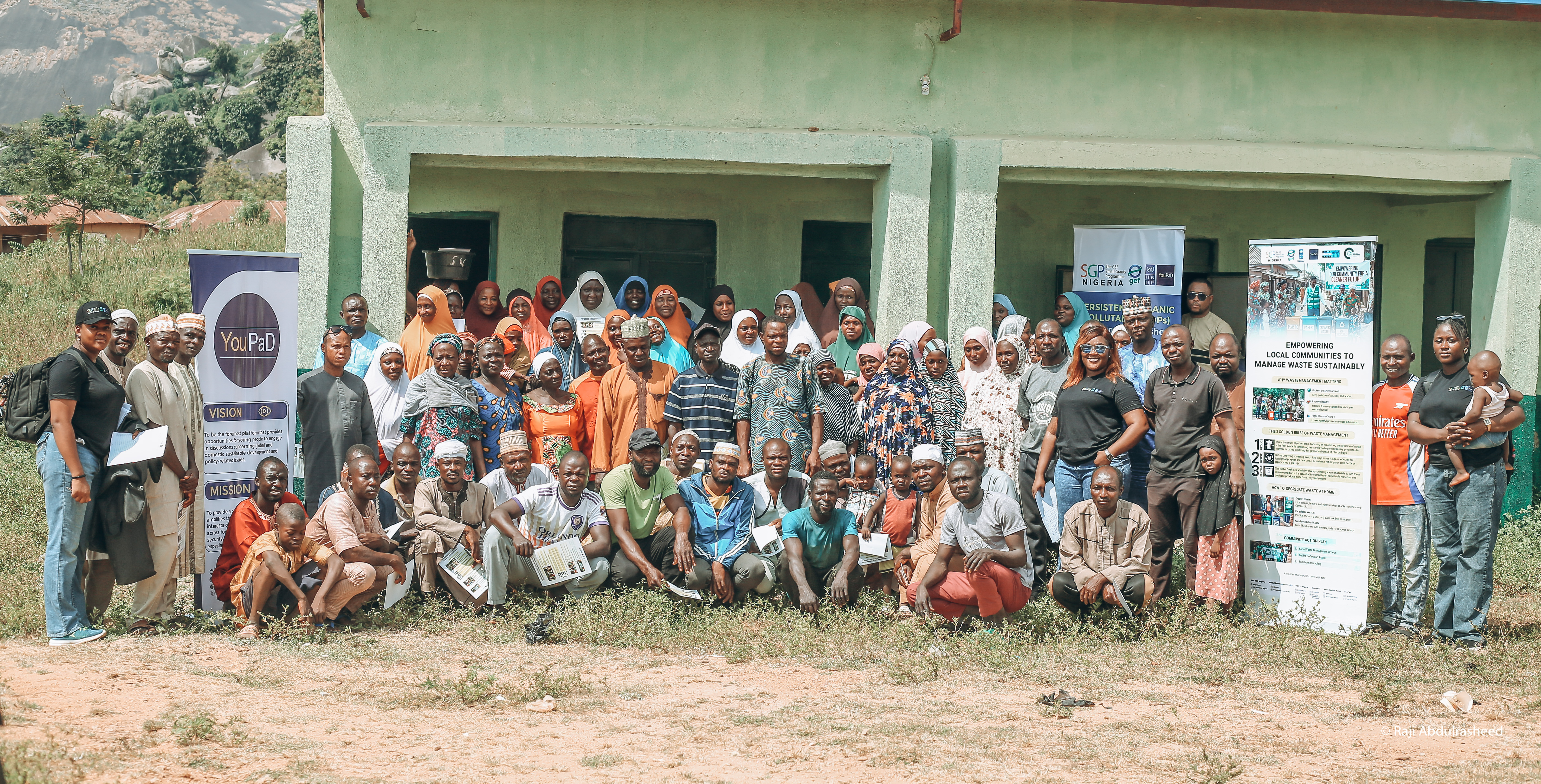
Impact Analysis of a Community-Led Waste Management Demonstration
A hands-on waste management demonstration involving 300 community members resulted in a 30% measured increase in knowledge regarding safe segregation and disposal. The initiative specifically focused on improving the identification and handling of hazardous materials, including Persistent Organic Pollutants (POPs), and successfully established a model for sustained local ownership.
Practical Demonstration of Waste Management
Transforming theoretical awareness into hands-on action. A community-led initiative turning voluntarily provided land into a model for sustainability.
Total Participants
300
150 per Community
Knowledge Growth
+30%
Measured Increase
Assets Unlocked
1
Voluntary Plot
Measuring the Shift in Understanding
Evaluations conducted before and after the demonstration revealed a substantial impact. While theoretical discussions laid the groundwork, the hands-on engagement with the land and materials proved to be the catalyst for deep learning.
Key Findings
- ✓ Consistent 30% rise in technical scores across both communities.
- ✓ Increased retention of complex concepts like Persistent Organic Pollutants (POPs).
Pre-Event vs. Post-Event Knowledge Scores
Knowledge Assessment Score (%)
Pre-Demonstration
Post-Demonstration
Source: Simulated average score data based on report metrics
Implementation Protocols
The core of the demonstration was the practical application of safety protocols. Moving beyond theory, we established a strict three-step workflow.
Safe Segregation
Real-time separation into Organic, Recyclable, and General Refuse streams.
GOAL: LANDFILL REDUCTIONHazardous & POPs
Technical identification of hazardous materials and Persistent Organic Pollutants.
GOAL: CHEMICAL SAFETYDisposal Practices
Safe containment methods to prevent contamination of land and water sources.
GOAL: ZERO CONTAMINATIONRedefining 'Trash' as 'Resource'
Target Waste Composition Model
Organic Materials
(Compost)
Recyclables
(Resources)
General Refuse
(Containment)
A critical outcome of the demonstration was correcting misconceptions about waste. By actively separating materials, residents learned to view recyclables as resources rather than refuse.
Organic:
Composting & Soil Enrichment
Recyclable:
Circular Economy Resources
General Refuse:
Safe Containment Required
Sustained Community Impact
Beyond the metrics, structural and behavioral changes ensure longevity.
Local Ownership
The emergence of volunteer Local Waste Officers has strengthened accountability through community consensus rather than force.
Elevated Discourse
Discussions on Persistent Organic Pollutants (POPs) have become frequent, signaling a shift from passive awareness to active concern.
Asset Contribution
The voluntary provision of community land represents a tangible investment by residents in their own future and a strong indicator of commitment.
YouPaD Intelligence Hub • Waste Management Community Initiative • © 2025 All Rights Reserved.